
- Your cart is empty
- Continue shopping
-
 Dr victor
 - Posted on
- Categories:Wellness Guides
- 0 comments

Best Supplements for Energy in Uganda: What Actually Works and Why
Feeling drained before the day is halfway done? You are not imagining it. Finding the right natural energy supplements in Uganda is something more people are turning to — not as a shortcut, but because the body sometimes needs targeted nutritional support that diet alone cannot provide.
This guide covers the most effective energy boosting supplements, why low energy is so common locally, and how to choose what actually fits your situation.
Why So Many People in Uganda Struggle With Fatigue
Low energy rarely has a single cause. In Uganda, a few factors are especially common:
- Iron-deficiency anaemia — widespread among women and children, it reduces oxygen delivery to every cell in the body
- Vitamin D deficiency — more common than expected, even in a sunny climate, due to indoor lifestyles and pigmentation factors
- High-starch, low-protein diets — leave blood sugar unstable and muscles under-nourished
- Chronic stress and poor sleep — steadily exhaust the adrenal system over time
Understanding your cause makes choosing the right supplements for low energy much more effective.
The Best Vitamins for Energy and Natural Supplements Worth Knowing
1. Moringa — Uganda’s Most Underrated Energy Herb
Grown locally and widely available, moringa leaf powder is one of the most practical herbal supplements for energy you can start with. It contains iron, magnesium, B vitamins, and plant protein — all nutrients that support sustained, cellular-level energy.
The effect is not like caffeine. It is quieter. You simply notice you are not dragging by 2 p.m. the way you used to. One teaspoon in water, juice, or porridge each morning is a solid starting point. Choose deep green, fresh-smelling powder — pale and dusty means most nutrients are already gone.
2. Iron + Vitamin C — For Fatigue Rooted in Anaemia
If you experience persistent tiredness, pale inner eyelids, or breathlessness on mild exertion, iron is likely involved. It is one of the most common and most overlooked vitamins for fatigue in this region.
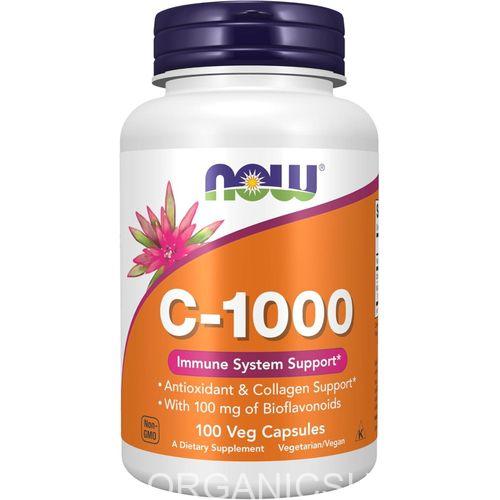
Critical point: pair iron with Vitamin C. It dramatically improves how well plant-based iron absorbs in the gut. Taking them together — not separately — makes a real difference.
Get a ferritin blood test before supplementing. Too much iron is harmful. Most clinics in Kampala and Jinja can run this test affordably.
3. Vitamin B12 — For Brain Fog and Persistent Tiredness
B12 is essential for nerve function and red blood cell production. When it is low, supplements for tiredness will not work well because B12 deficiency is often the underlying issue. Brain fog, tingling in the hands, and low mood often accompany the fatigue.
People eating predominantly plant-based diets are most at risk. Supplementing with 500–1000 mcg cyanocobalamin a few times weekly can produce noticeable improvement within a few weeks.
4. Magnesium — The Quiet Foundation
Magnesium participates in over 300 biochemical reactions, including direct energy production inside cells. Signs of deficiency include muscle cramps, poor sleep, tension headaches, and that wired-but-tired feeling.
Magnesium glycinate or magnesium citrate absorb better and are gentler on the stomach than cheaper forms. Most people notice improved sleep quality first — and consistent sleep is itself one of the most powerful fatigue supplements available.
5. Ashwagandha — For Stress-Driven Exhaustion
When chronic stress keeps cortisol elevated, your body burns energy reserves faster and struggles to recover. Ashwagandha helps moderate that cortisol load over time. It does not stimulate — it restores.
Give it four to eight weeks. Many people report more consistent energy, better sleep, and less emotional reactivity. It is among the best-researched herbal supplements for energy currently available.
6. Spirulina — A Dense Nutritional Foundation
Spirulina is a blue-green algae packed with iron, B vitamins, essential amino acids, and chlorophyll. As a daily supplement for people whose diets are heavy in refined carbohydrates and light in variety, it fills nutritional gaps quietly and consistently.
The taste is strong. Mix it into pineapple juice or a fruit smoothie. Start with half a teaspoon and build from there.
7. CoQ10 — For Deep, Physical Fatigue
Less commonly discussed, but worth knowing — especially for anyone over 35 or taking statin medications (which directly deplete CoQ10 levels). This compound is essential for energy production at the mitochondrial level. Supplementing with 100–200 mg of ubiquinol daily can restore the kind of energy that feels physically heavy or slow to recover after exertion.
Practical Tips for Buying Fatigue Supplements in Uganda
Quality varies significantly here. A few guidelines:
- Moringa and spirulina: Source from local health stores or organic markets in Kampala — freshness matters more than brand name
- Iron, B12, and magnesium: Pharmaceutical-grade versions are available at well-stocked pharmacies — ask for the specific forms listed above
- Ashwagandha and CoQ10: Less commonly stocked locally; order through trusted online health retailers
- Always check labels: Avoid capsules with excessive fillers, artificial colourings, or ingredients you cannot identify
A Simple Starting Point
If you are unsure where to begin:
- Get a basic blood test — haemoglobin, ferritin, and B12
- Start with moringa powder and magnesium glycinate — well-tolerated, widely available, address the most common deficiencies
- Add iron and B12 if blood results confirm deficiency
- Consider ashwagandha if stress and poor sleep are major contributors
Give it eight weeks. Track how you feel — not what the packaging promises.
Frequently Asked Questions About Energy Supplements
Which supplement is best for energy in Uganda? Moringa is the most practical starting point for most people — it is local, affordable, nutrient-dense, and well-tolerated. If anaemia is confirmed, iron with Vitamin C becomes the priority.
How long before energy supplements start working? It depends on the supplement. Iron and B12 can show results in two to four weeks. Ashwagandha typically takes four to eight weeks. Moringa and magnesium often produce subtle improvements within two to three weeks of consistent use.
Can I take multiple energy supplements together? Yes, in most cases. Iron + Vitamin C, moringa, magnesium, and B12 can generally be taken together without issue. Always check with a healthcare provider if you are on medication or managing a health condition.
Are herbal supplements for energy safe? Herbs like moringa, ashwagandha, and spirulina have strong safety profiles when taken at recommended doses. The main risks come from poor-quality products, not the herbs themselves.
What causes constant fatigue in Uganda specifically? The most common underlying causes are iron-deficiency anaemia, B12 deficiency (particularly on plant-based diets), magnesium depletion, chronic stress, and disrupted sleep. Addressing these through targeted fatigue supplements Uganda and lifestyle adjustments usually produces significant improvement.
Medical Disclaimer
The information in this article is intended for general educational purposes only and does not constitute medical advice. It is not a substitute for professional medical diagnosis, treatment, or consultation. Before starting any supplement regimen — especially iron, CoQ10, or adaptogens — consult a qualified healthcare provider, particularly if you are pregnant, breastfeeding, managing a chronic condition, or taking prescription medications. Individual needs vary, and what works for one person may not be appropriate for another.
